
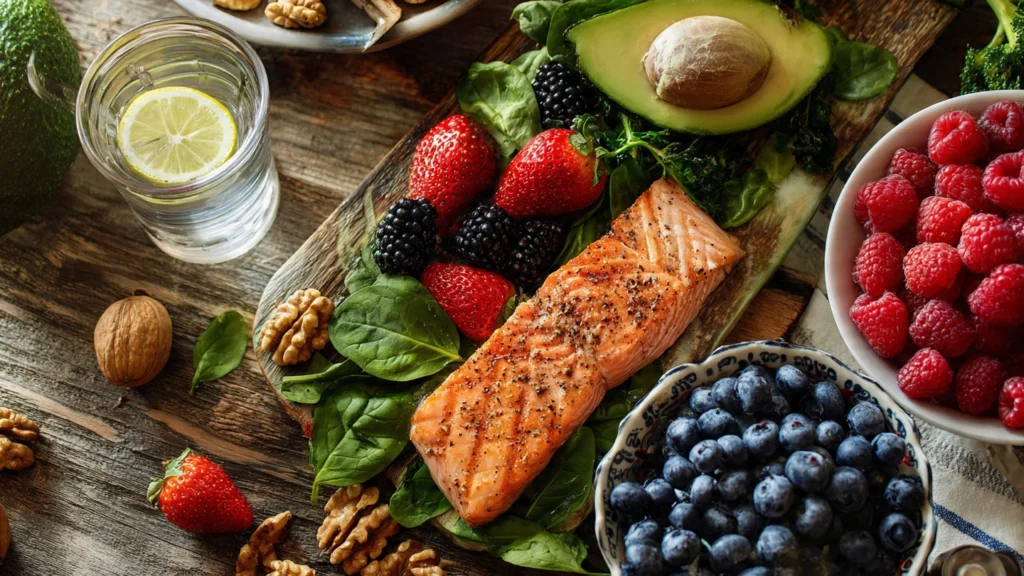
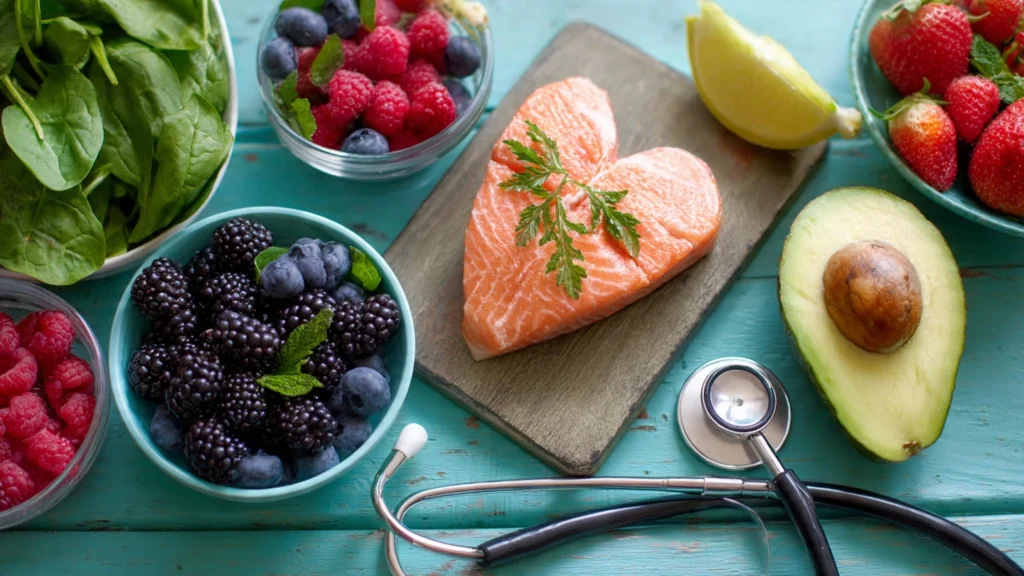
Because the question I’m most often asked is, “What should I be eating to keep my heart strong?” Indeed, the correct diet can significantly improve your blood pressure, lower your cholesterol, and assist in maintaining healthy heart.
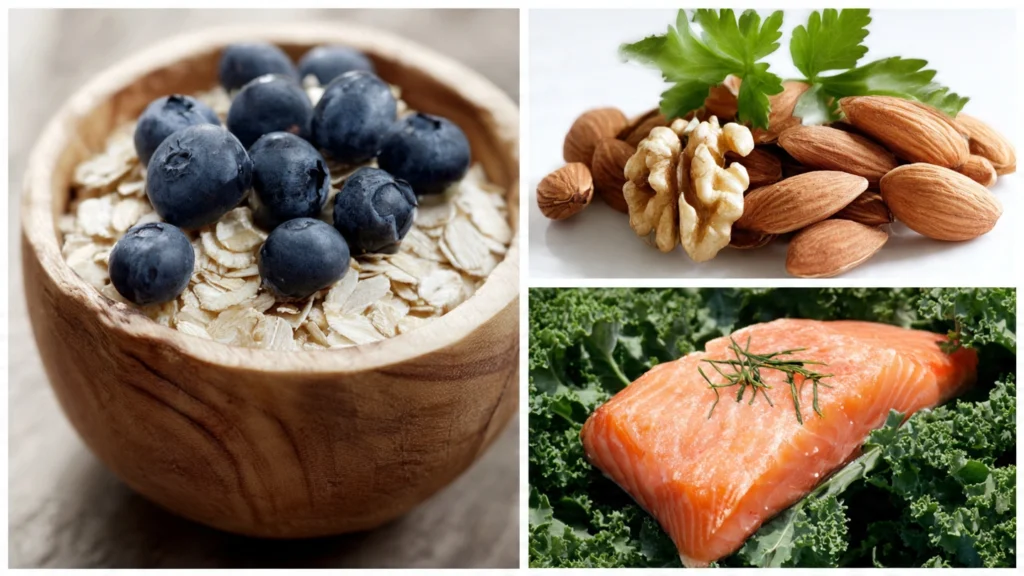
In simple terms, heart-healthy food refers to those types of food products that minimize your risk of developing cardiovascular diseases. In other words, they include minimally processed foods, such as fruits, vegetables, whole grains, and lean meats, with minimal amounts of salt, unhealthy fats, added sugars, and highly processed food items.
Whether you’re trying to lower your cholesterol, keep your blood pressure under control, or you simply want to improve how you feel, take advantage of the following
Leafy Greens: These include spinach, kale, and collard greens, loaded with vitamins and antioxidants. Research suggests that eating leafy greens every day may help reduce high blood pressure as well as enhance blood vessel functions.
Whole Grains: Including oats, brown rice, quinoa, and barley – all high in fiber that can help reduce bad (LDL) cholesterol.
Berries And Other Colorful Fruits: Including blueberries, strawberries, oranges, bananas, and more; rich in antioxidants that fight inflammation and full of potassium, good for blood pressure regulation.
Fatty Fish: Such as salmon, mackerel, and sardines, loaded with omega-3 fatty acids, perfect for a healthy heart.
Legumes And Nuts: Lentils, chickpeas, almonds, and walnuts are a source of plant protein, heart-healthy fats, and fiber. Just a handful of nuts per day has been associated with heart benefits.
Is shrimp heart healthy food?
Shrimp is actually okay! Although shrimp is relatively high in cholesterol, it contains very little saturated fat, which is the real threat when it comes to increasing blood cholesterol levels. Steamed or grilled shrimp (as opposed to fried) is considered to be a heart healthy food.
Are eggs heart healthy food?
Eggs have been highly disputed over the decades but recent findings now clearly indicate that eggs can be included in heart healthy foods. Scientific studies indicate that consuming up to two eggs daily does not affect the LDL level provided the diet is low in saturated fats. The egg yolk is enriched with many nutrients and antioxidants.
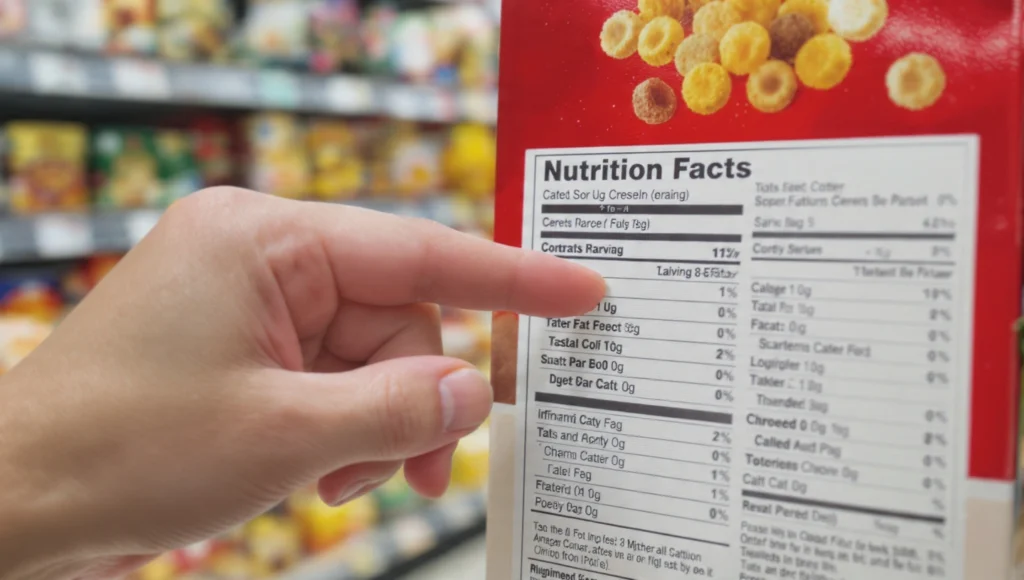
It might not always be easy to find heart healthy food in a grocery store because labels are sometimes confusing. Here are some guidelines on reading a label and determining if a product meets your requirements:
Serving size: All the figures below apply to one serving of food.
The Big Three: Avoid foods that have more than 5 grams of total fat, and also avoid foods that contain excessive
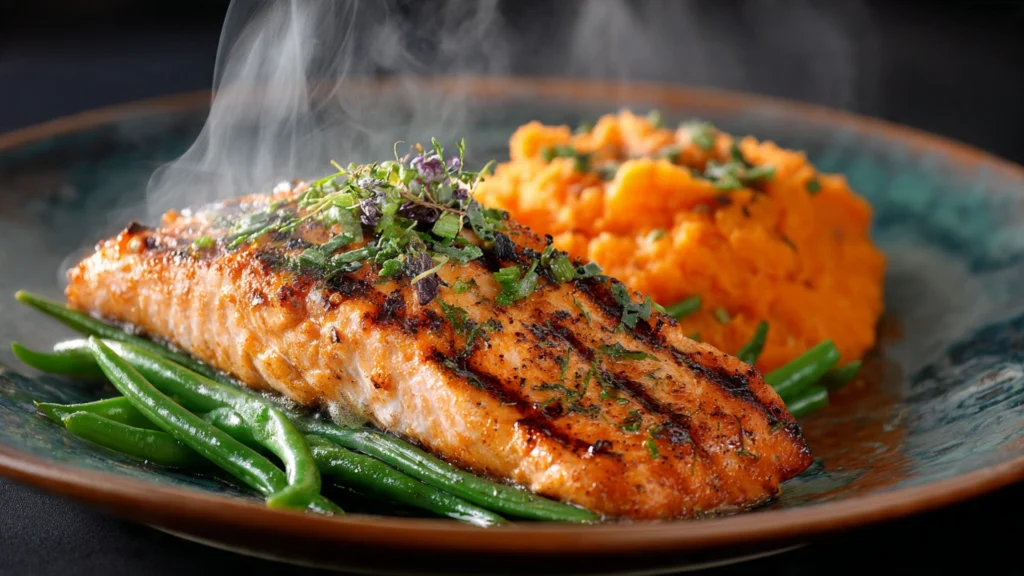
Feeling bored about eating salads for your heart? These dietitian-endorsed heart healthy food recipes will definitely help you make healthy choices tasty:
Breakfast: Oats & Berry Breakfast Bowl. Packed with fiber and antioxidants that lower cholesterol.
Lunch: Lentil & Spinach Soup. Heart-healthy soup rich in iron, fiber, and plant protein.
Dinner: Lemon-Garlic Salmon with Green Beans. This dish is loaded with omega-3s and vitamins.
Dog heart healthy food & cat heart healthy food
Pets deserve special attention when it comes to nutrition and their well-being. If you want your dog to be healthy, feed him/her foods which are low in sodium, taurine, and omega-3 fatty acid-rich. Taurine is especially beneficial for a cat’s cardiovascular system and is usually included in quality commercially available foods.

Make it Simple: Delivery & Eating Out
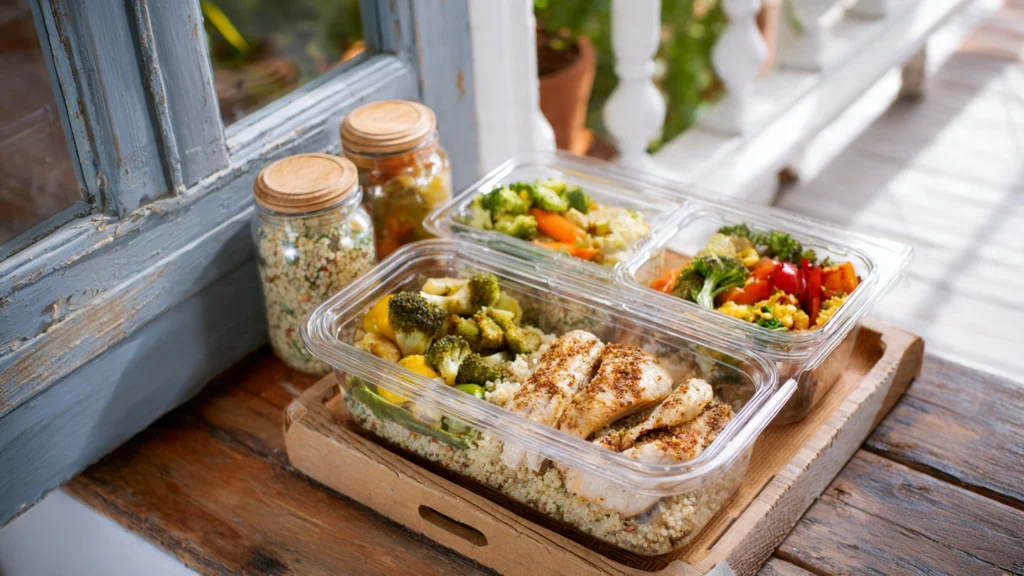
If you don’t have enough time to cook, you can look for “heart healthy food near me” or even “heart healthy food delivery”. There are many companies that provide medically tailored nutrition plans and meals, including BistroMD that created a special menu containing more than 150 different heart healthy food dishes. Another easy way to order heart healthy food is via Uber Eats app.
Conclusion:
Making changes to have a healthier heart is among the most important decisions that you can make for yourself in terms of your future. Begin gradually by incorporating a single vegetable or switching from processed grains to whole grains.